Fast, Reliable Fireplace Services Across Newark
Fireplace services in Newark typically run $180–$650 depending on whether you need a basic gas fireplace tune-up, a wood-burning firebox repair, or a full fireplace insert installation in a century-old row house. Most appointments in the Ironbound, North Ward, and South Ward are scheduled within 24–48 hours, and emergency damper or flue issues get same-day response when safety is involved. Call (833) 349-5892 for a free estimate.
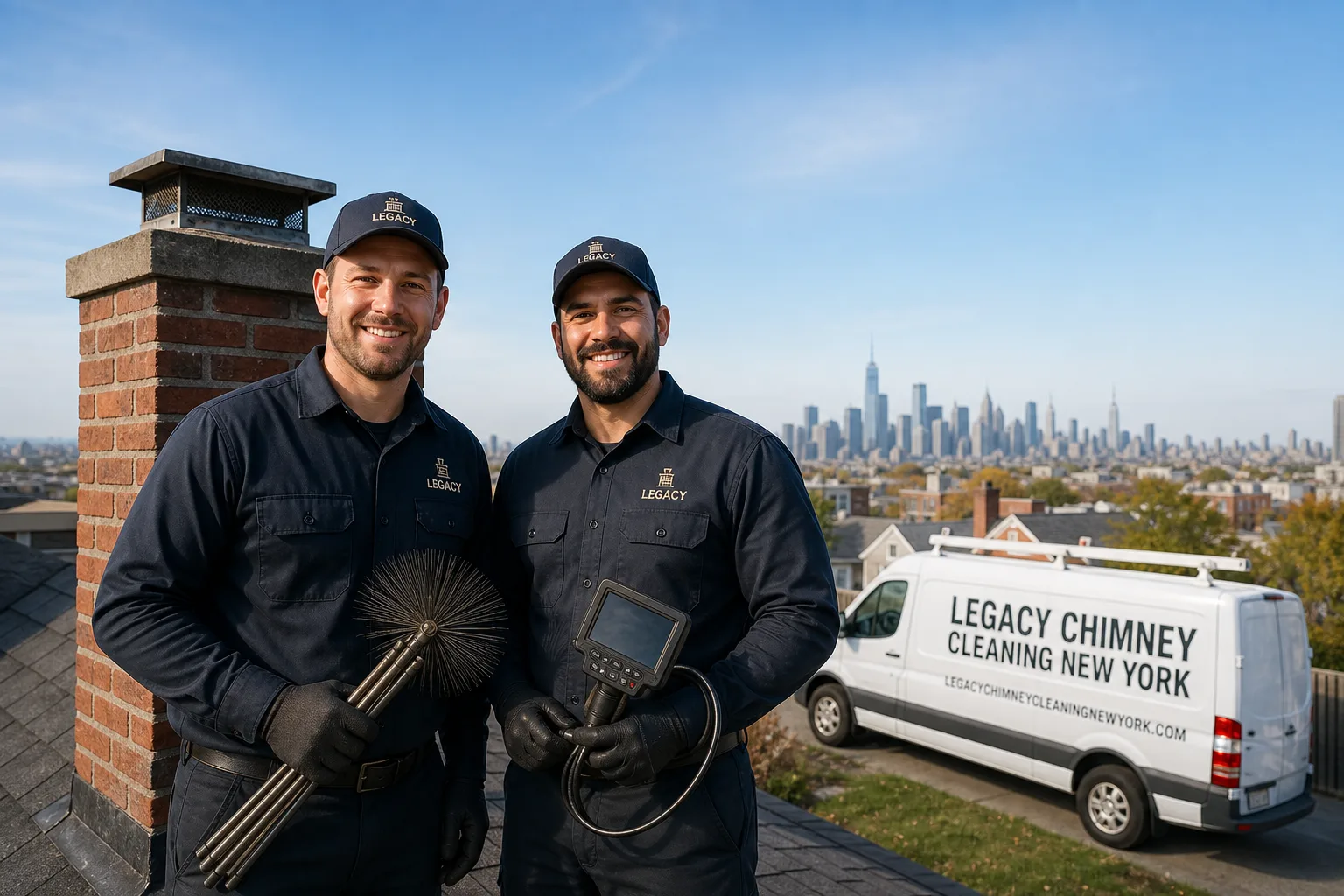
We’ve been crossing the Hudson to work in Newark for years, and there’s no substitute for knowing what you’re walking into. Our Fireplace Services team understands the city’s housing stock inside and out—pre-1940s attached brick row houses with shared chimney stacks, multiple flue conversions, and decades of layered liner work that newer suburban homes simply don’t have. Paul Torres leads every job personally, so when you call Legacy Chimney Cleaning New York, you’re getting the owner on your roof, not a subcontractor learning Newark’s quirks on your dime.
What happens when you call
- 1
A real person answersNo phone trees — you reach a local pro.
- 2
You get an upfront price rangeHonest numbers before anyone is dispatched.
- 3
A background-checked tech heads outLicensed & insured, dispatched right away.
- 4
You approve before work beginsNothing starts until you say go.
Why Legacy Chimney Cleaning New York Is Newark’s Preferred Fireplace Services Company
Newark homeowners don’t have the luxury of guessing whether their chimney is safe. In neighborhoods like the Ironbound and along Lincoln Avenue, we’ve seen flues that haven’t been professionally inspected since the 1970s oil conversion. That’s 14 years, 1,100+ reviews worth of experience talking—Paul Torres has personally diagnosed and repaired fireplace systems in row houses where three generations of liner work were crammed into one flue, with the lower sections packed solid with compacted soot.
Our 1,119 verified reviews average 4.7 stars because we tell homeowners exactly what we find, exactly what it costs, and exactly what happens if they wait. No upsell games. We typically reach Newark properties from our New York City base within 45–60 minutes, and we prioritize calls from multi-family buildings where a compromised flue affects multiple units. When Paul Torres arrives, he’s the one climbing the ladder, running the camera, and explaining the repair plan to you directly.
We know the local codes that matter for Newark’s older housing stock, and we work with professional-grade materials—DuraFlex, HeatShield, Gelco—specified by chimney professionals, not pulled off a big-box shelf. From the sweep to the rebuild, we’re the same company handling every phase. No referral runaround.
Our Fireplace Services in Newark
Gas Fireplace Service
Gas fireplace service in Newark runs $180–$320 for a standard tune-up and safety inspection, with repairs to ignition systems, thermocouples, or gas valves adding $150–$400 depending on parts. In 1920s tenements across the South Ward and Ironbound, we regularly find gas fireplaces venting through flues that were never properly resized for gas appliances—original coal or oil flues too large for modern gas efficiency, creating drafting problems that pull combustion byproducts back into living spaces. We check burner orifice condition, verify venting integrity with a draft test, and inspect for abandoned liners that may have collapsed and blocked the flue. If your gas fireplace smells like soot even after cleaning, there’s usually a venting problem behind it. We’ve seen this before—and we know how to fix it.
Wood Burning Fireplace
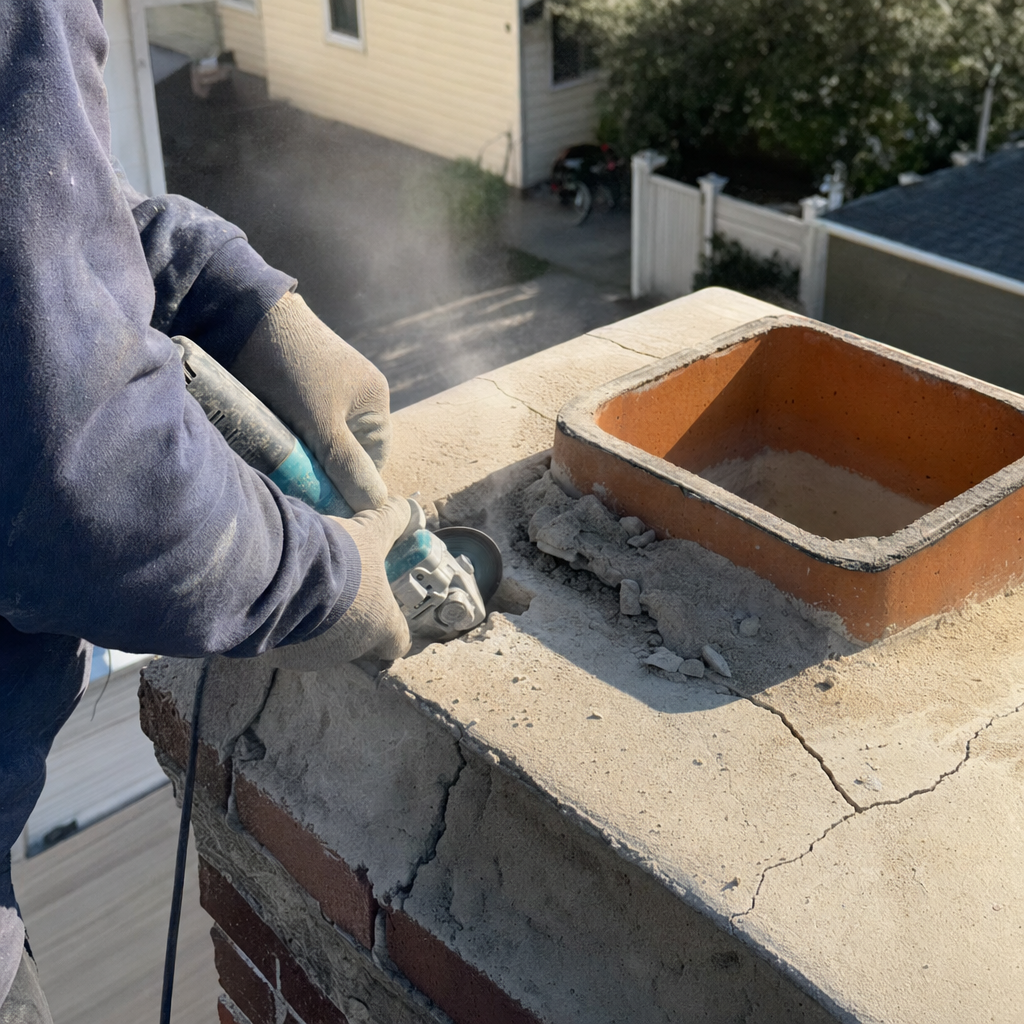
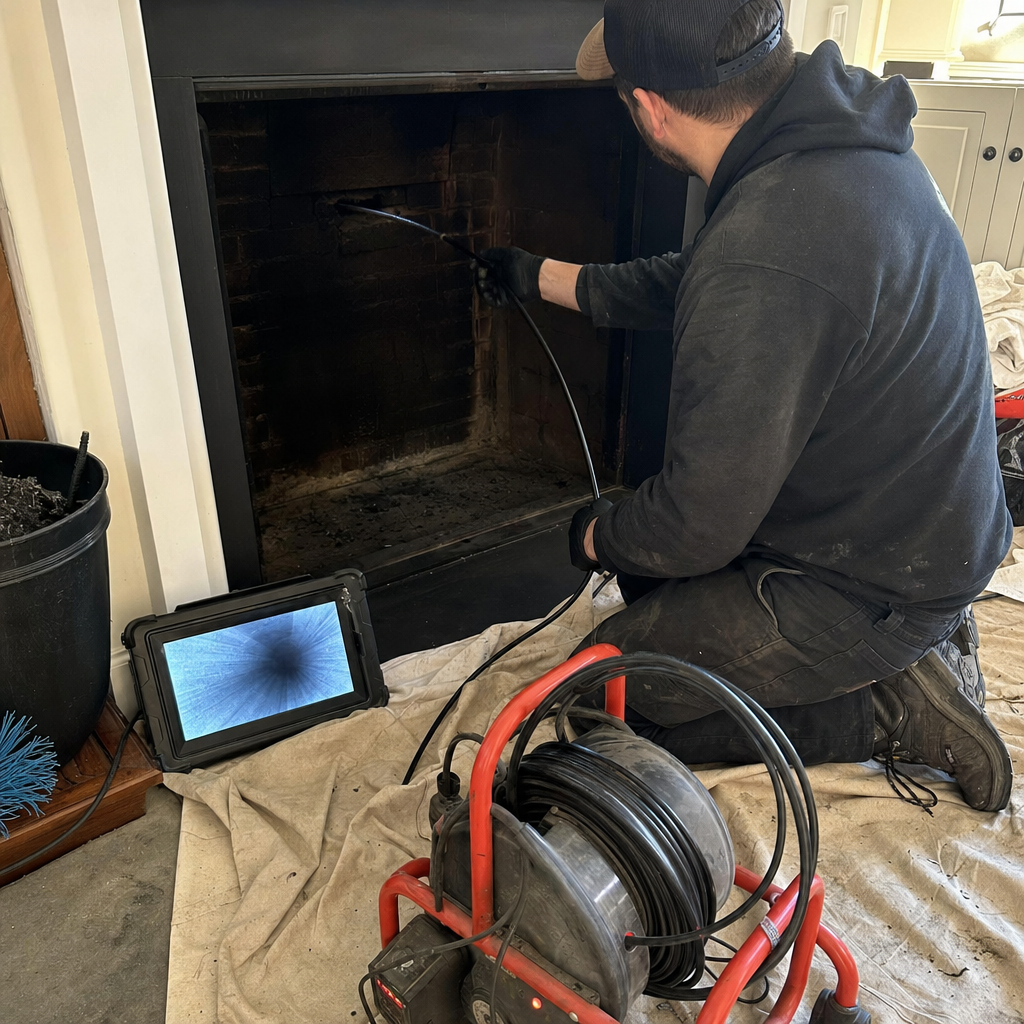
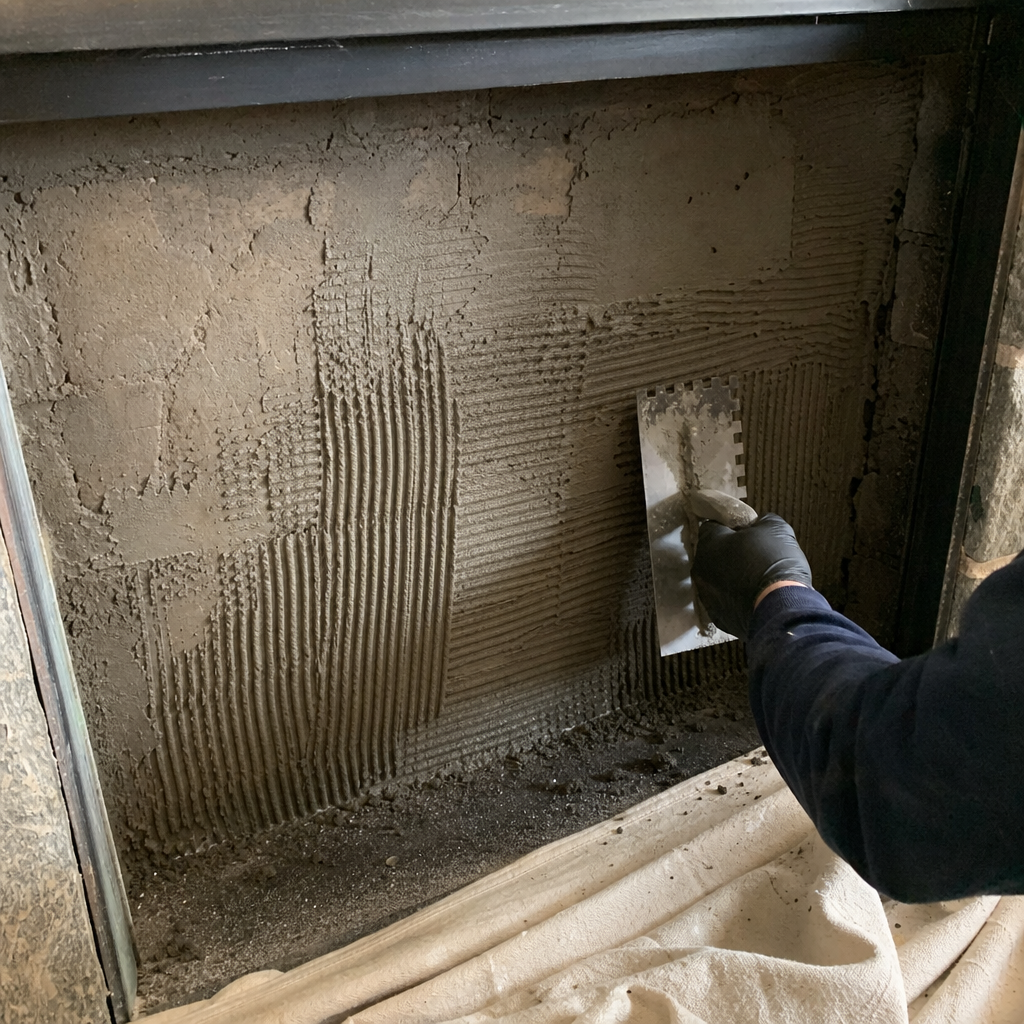
Wood burning fireplace inspection and basic repair in Newark typically costs $220–$450, with firebox rebuilds or refractory panel replacement running $800–$2,400 depending on access and materials. The critical question in Newark’s row houses: is the flue liner intact? Original terracotta tile liners installed in 1890–1940 construction have endured a century of thermal cycling, and in Newark’s climate—positioned near Newark Bay and the Passaic River—that aging brick absorbs ambient moisture year-round. Freeze-thaw cycles widen mortar joint cracks until they dislodge. A firebox can look sound while the liner behind it is crumbling. Only a scanning camera reveals the truth. We don’t guess. We inspect.
Fireplace Insert
Fireplace insert installation in Newark ranges $2,800–$5,500 for gas inserts in existing masonry fireplaces, including liner adaptation and proper venting. This is where Newark’s housing history gets complicated—and where our experience matters most. Converting an old brick coal fireplace to a gas insert in a multi-family Ironbound building isn’t a simple appliance swap. The existing flue must be properly lined, abandoned flues sealed to prevent backdraft, and clearances maintained per NFPA 211. We serviced a 1910 row house on Lincoln Avenue in Newark’s Ironbound where the brick fireplace originally burned coal. After an oil-to-gas conversion, the original clay flue was lined with a mid-century asbestos insert, then a modern DuraFlex liner was threaded through—but the lower 10 feet of the asbestos liner had collapsed, trapping soot that blocked the gas flue. We installed a new HeatShield liner and sealed the abandoned asbestos section to comply with NFPA 211. That’s the kind of layered problem you don’t solve with a standard installation manual.
Damper Repair
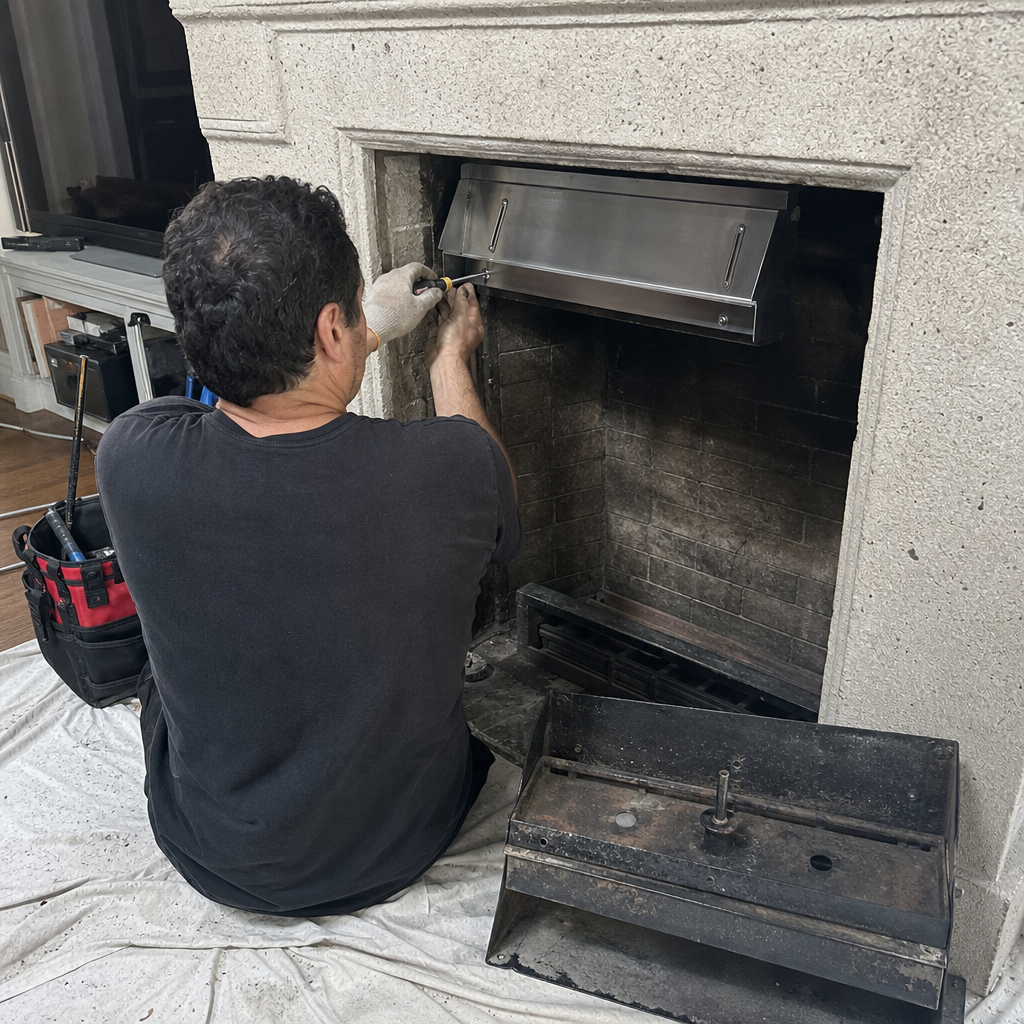
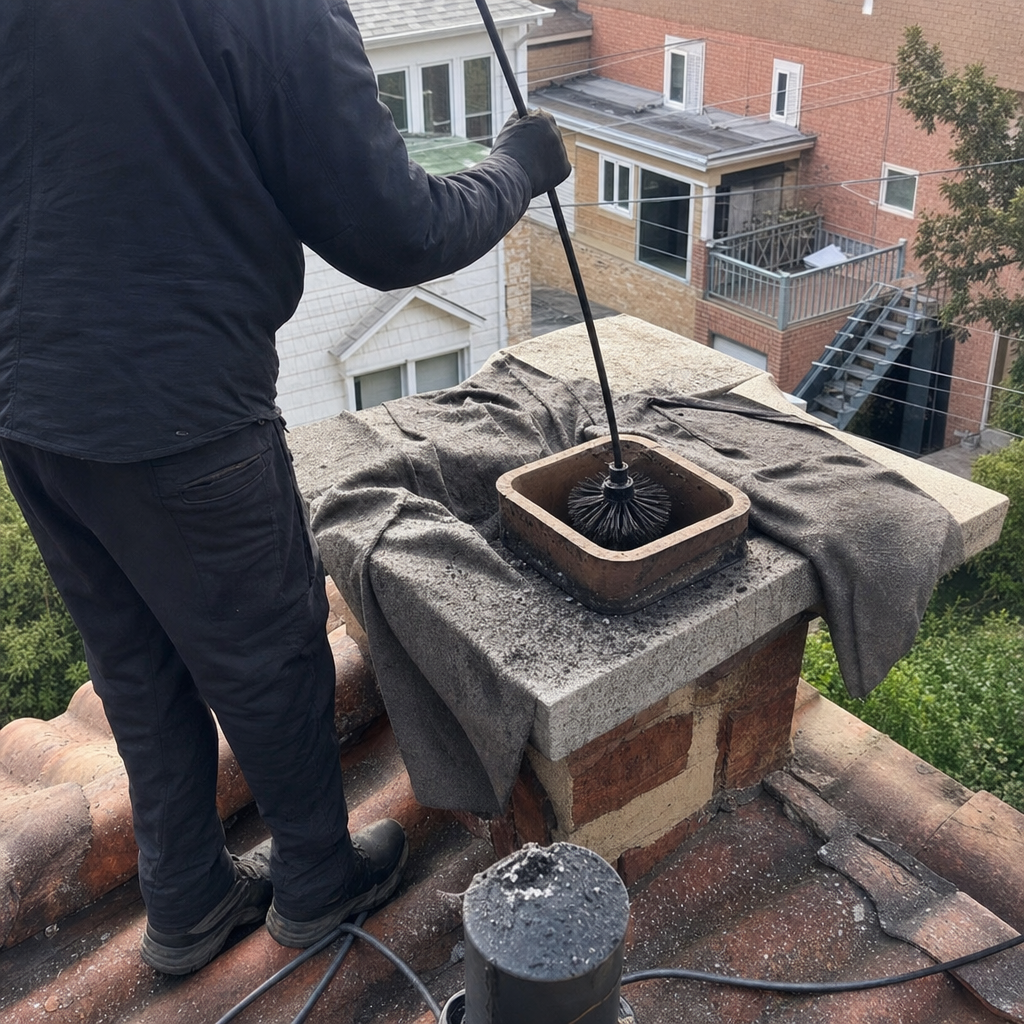
Damper repair or replacement in Newark costs $280–$650 for top-sealing dampers, $180–$420 for throat damper repairs, with full throat damper replacement in tight row-house fireboxes running toward the higher end due to access constraints. In 1890s row houses across the North Ward and South Ward, original cast-iron throat dampers are often frozen open or closed from decades of rust, creosote buildup, or warped frames. A stuck-open damper bleeds heated air all winter. A stuck-closed damper turns your fireplace into a smoke bomb. We assess whether the existing frame can be restored or if a top-sealing damper—installed at the chimney crown—makes more sense for your flue configuration. Sometimes the original throat damper is beyond saving. Sometimes it’s just gummed up and needs proper cleaning and adjustment. We’ll tell you which.
Trusted Brands We Service in Newark
We install and service professional-grade fireplace and chimney components from DuraFlex, HeatShield, Gelco, and Copperfield—brands specified by working chimney professionals, not marketed to weekend DIYers. For Newark customers, this means we stock liners, dampers, and repair materials that match what your pre-1940s chimney actually needs, not what a big-box inventory system says should fit. When we find a collapsed asbestos liner in an Ironbound row house or spalling brick in a North Ward tenement, we’ve got the right materials on hand to fix it properly. Fast turnaround matters in Newark’s multi-family buildings where one compromised flue can affect several households.
Common Fireplace Services Problems We See in Newark Homes
- Abandoned multi-flue stacks creating backdraft hazards. In Newark’s row houses, one flue often serves a new gas fireplace while adjacent unlined flues still vent old appliances or sit completely open. Combustion gases migrate between flues. Carbon monoxide risk is real. Only a thorough inspection with a scanning camera maps what’s actually happening inside that shared stack.
- Cracked terracotta liners hidden behind sound-looking fireboxes. Original clay tile liners from 1890–1940 construction have cracked from a century of heating and cooling cycles. The firebox bricks look fine. The liner behind them doesn’t. We catch this with video inspection—never assume.
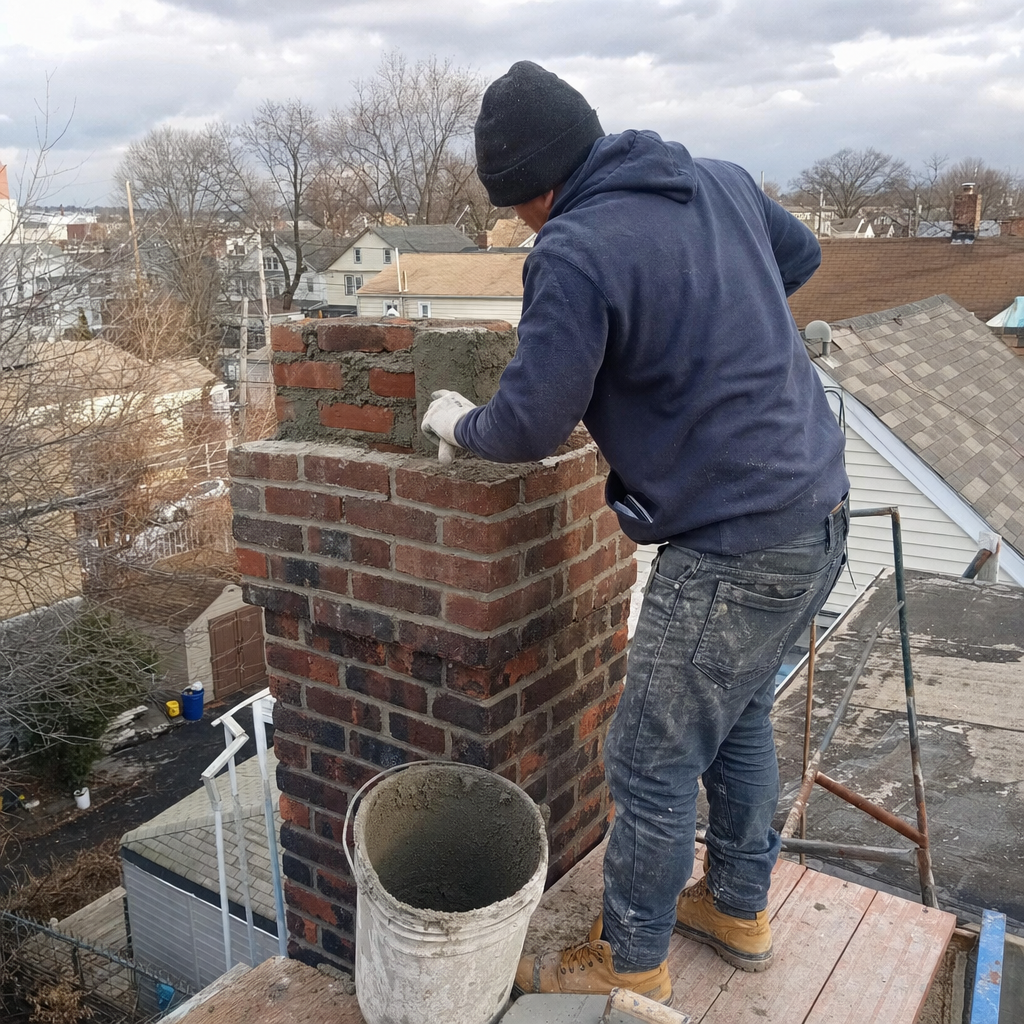
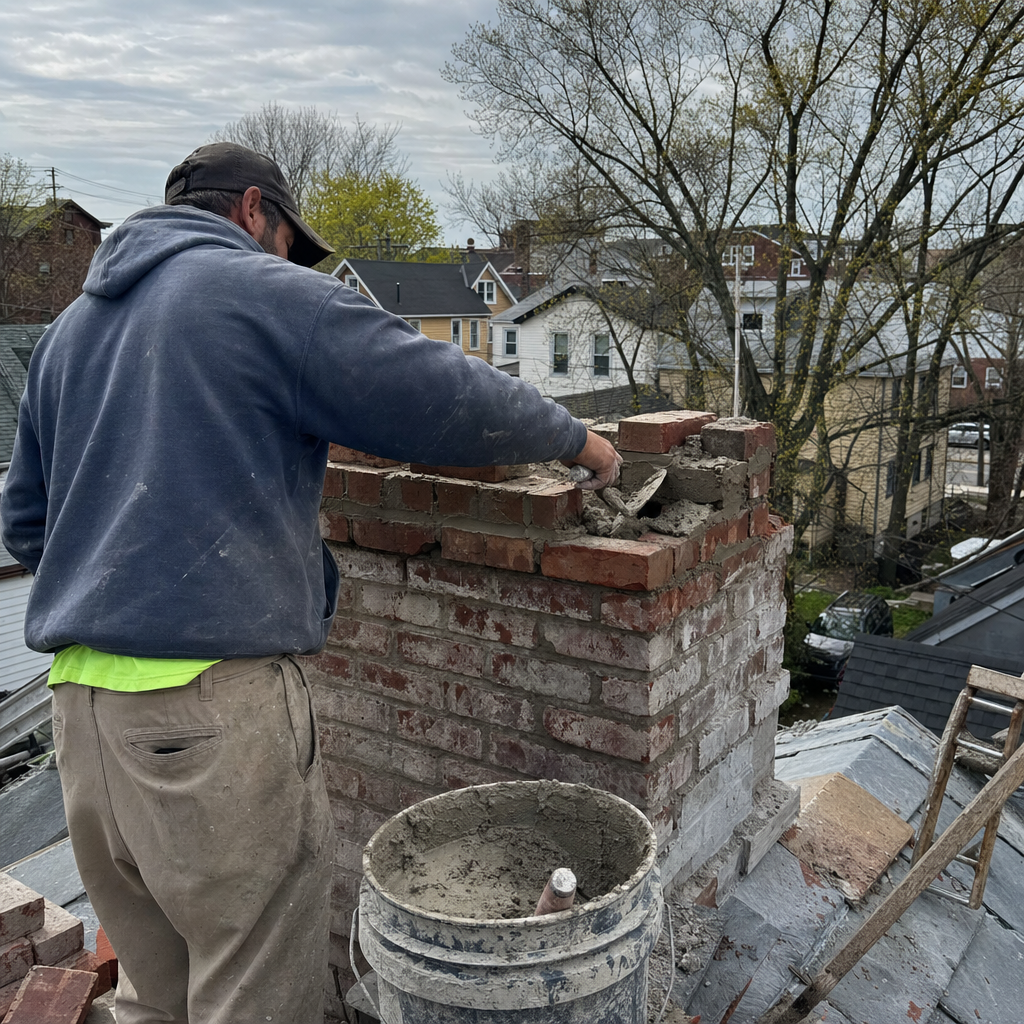
- Efflorescence and spalling from Newark’s bayfront moisture. Chimneys near Newark Bay and the Passaic River absorb significant ambient moisture year-round. That moisture freezes, expands, and flakes off the face of soft 19th-century brick. Spalling accelerates until mortar joints fail completely. Routine cleaning inspections spot early spalling before it becomes structural.
- Three generations of liner work jammed into one flue. In multi-family row houses across the South Ward and Ironbound, we regularly open cleanouts and find original clay tile, mid-century asbestos inserts, and modern flex-metal liners all stacked together. The lower sections of abandoned liners pack with decades of compacted soot and debris. It’s a Newark-specific problem that requires Newark-specific expertise to untangle safely.
Pricing for Fireplace Services in Newark, NJ
Here’s what fireplace services actually cost in Newark’s market:
| Gas fireplace tune-up and safety inspection | $180–$320 |
| Wood burning fireplace inspection and basic repair | $220–$450 |
| Damper repair (throat or top-sealing) | $180–$650 |
| Firebox refractory panel replacement | $800–$1,800 |
| Gas fireplace insert installation (with liner) | $2,800–$5,500 |
| Full firebox rebuild in row-house fireplace | $2,200–$4,800 |
Costs run higher in Newark than in newer suburban neighbors for one reason: access and unknowns. Pre-1940s row houses have tight fireboxes, shared chimney stacks, and layered liner history that isn’t visible until we’re inside. We price by what we find, not by what we hope. Every estimate starts with a thorough inspection—free, no obligation. Call (833) 349-5892 to schedule.
We Also Serve Cities Near Newark
We regularly work across Essex and Hudson counties, including East Orange, Harrison, Orange, and Belleville. These communities share much of Newark’s pre-WWII housing stock and the same chimney challenges—multi-flue stacks, aging liners, and moisture damage from proximity to the Passaic River and Newark Bay. If you’re in a neighboring city with a fireplace in a century-old home, we bring the same owner-led expertise and professional-grade materials to your job.
Serving Newark, NJ — Our Local Coverage Area
We’re based in the Newark area and know this community well. Use the map below to see our service coverage — if you’re nearby, we can almost certainly help.
FAQs — Fireplace Services in Newark
The only reliable way to know is a video chimney inspection with a scanning camera—visual inspection from the firebox or roof won’t reveal liner condition inside the flue. In Newark’s Ironbound and South Ward, we find mid-century asbestos inserts in roughly one-third of pre-1960 row houses we inspect, often partially collapsed and blocking gas flues installed later. If your home had oil heat converted to gas before the 1990s, assume the liner needs professional evaluation. Call (833) 349-5892 for a free inspection.
Yes, but it requires proper flue lining, sealing of abandoned flues, and compliance with NFPA 211 and local multi-family building codes. In Ironbound row houses, we commonly encounter shared chimney stacks where adjacent flues are still active or abandoned, creating backdraft risks if not properly isolated. Paul Torres evaluates the full stack configuration, not just your unit’s flue, to ensure safe venting. The installation typically runs $2,800–$5,500 depending on liner complexity. Call for a specific assessment.
Not necessarily—sometimes rust and creosote buildup freeze the mechanism and thorough cleaning restores function. If the cast-iron frame is warped or cracked, replacement is necessary, but in tight 1890s fireboxes we often recommend a top-sealing damper installed at the chimney crown instead of fighting with throat access. Damper work in Newark’s old row houses runs $180–$650. We’ll inspect and tell you which path makes sense for your specific firebox.
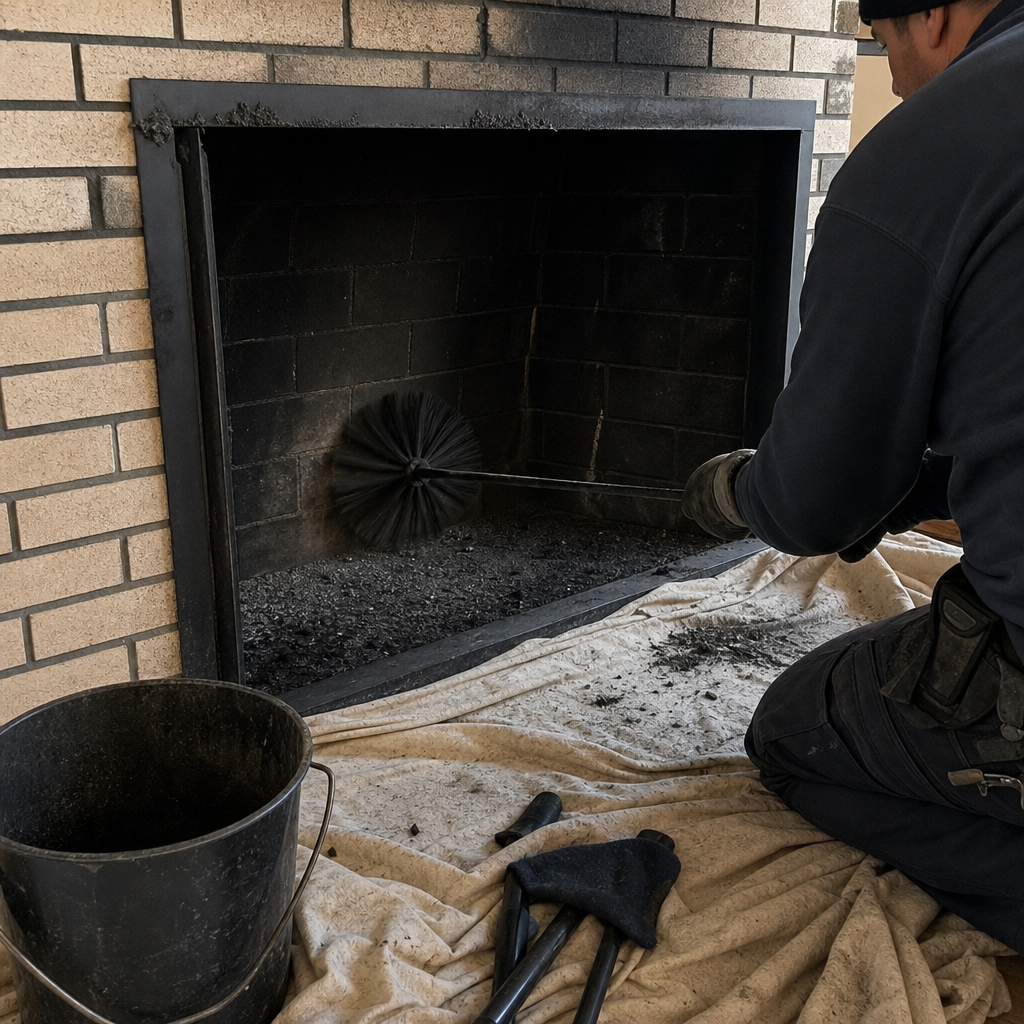
The smell usually indicates improper venting—either a flue too large for gas efficiency, a partially blocked liner, or backdraft from adjacent abandoned flues in a shared stack. In 1920s Newark tenements, we regularly find gas fireplaces venting through original coal or oil flues never properly resized or lined for gas appliances. Cleaning the fireplace face doesn’t fix a venting problem inside the flue. A draft test and camera inspection pinpoint the cause. Call (833) 349-5892 to diagnose it properly.
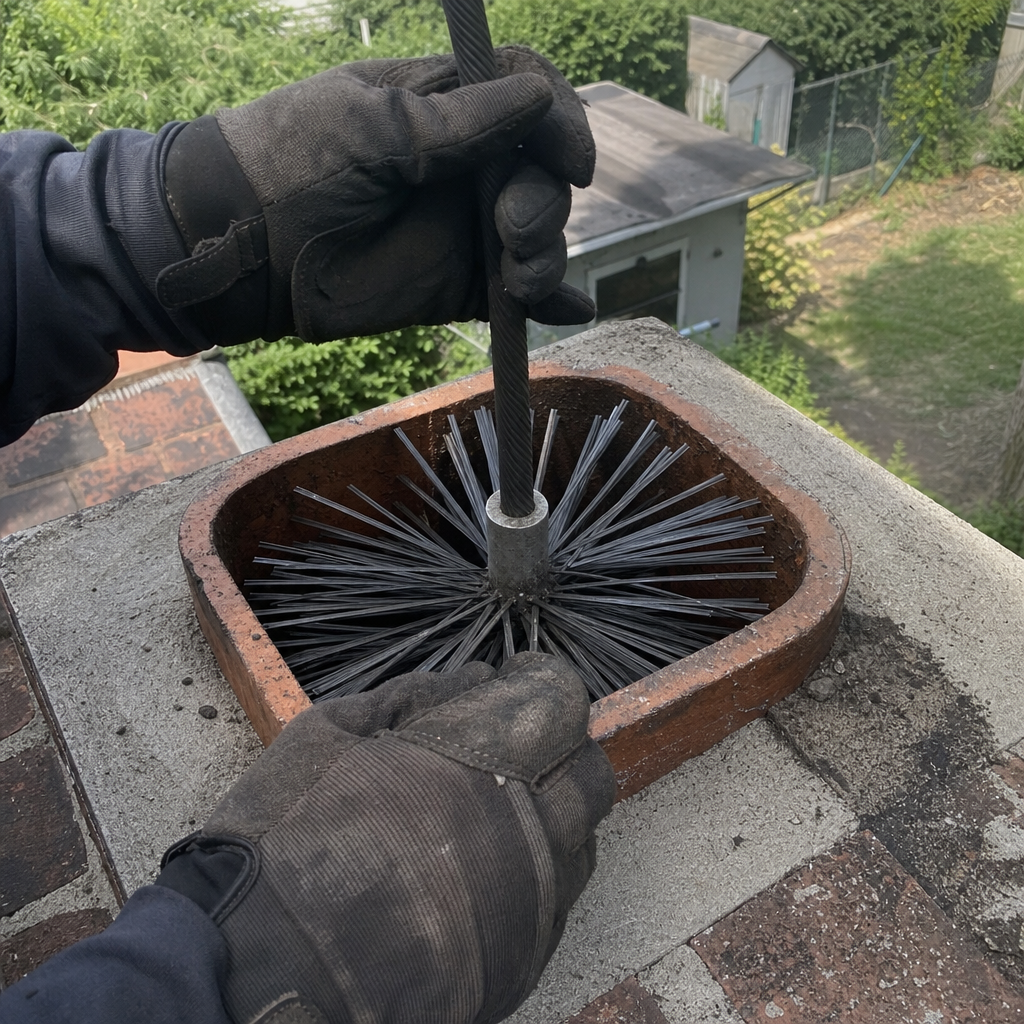
Small hairline cracks in refractory panels are common and often repairable with proper refractory cement, but cracked firebricks that expose the metal firebox or structural masonry behind them create a fire hazard and should not be used until repaired. In Newark’s row houses, we also check whether cracked firebricks are a symptom of deeper liner damage—thermal stress cracks firebricks and terracotta liners together. Don’t assume surface damage is only surface deep. Get it inspected before lighting another fire.
Written by Paul Torres, Owner at Legacy Chimney Cleaning New York, serving Newark and surrounding communities since 2010.